
Game Development Learning Pathways
We're building something different here. This isn't about cramming Unity tutorials or memorizing code patterns. It's about understanding how games actually work and finding your own voice in this field.
Foundations Track
Starting from scratch? Perfect. We spend the first few months building your understanding of game systems, basic programming logic, and design thinking. You'll prototype small projects, break things, fix them, and start seeing how everything connects. Most people are surprised how quickly they can build something playable when they understand the underlying principles rather than just copying tutorials.
Advanced Systems
Already comfortable with basics? This pathway digs into AI behavior, multiplayer architecture, optimization techniques, and tool development. We work on longer projects where you'll face the same challenges professional teams encounter. The goal isn't to master every engine feature but to develop problem-solving approaches that work across different technologies and project scales.
Specialized Focus
Want to concentrate on graphics programming, procedural generation, or narrative systems? These focused tracks let you go deep on specific areas while still maintaining broad understanding. You'll work directly with industry tools and workflows, building portfolio pieces that demonstrate genuine expertise rather than surface-level familiarity with popular topics.

Learning That Actually Sticks
Here's what bugs me about most game dev courses: they show you how to make one specific type of game, and then you're lost when you want to make something different. We structure things around core concepts that apply everywhere.
Sessions run three times per week, usually evenings to accommodate working schedules. You'll have project work between sessions, but it's designed to be manageable alongside other commitments. Our next cohort starts in September 2025, running through March 2026.
The studio space in central Baku gives you access to development hardware and a quiet place to work when you need to focus. Some people prefer working from home, which is completely fine. What matters is that you're engaging with the material and building things that interest you.
What Past Participants Say
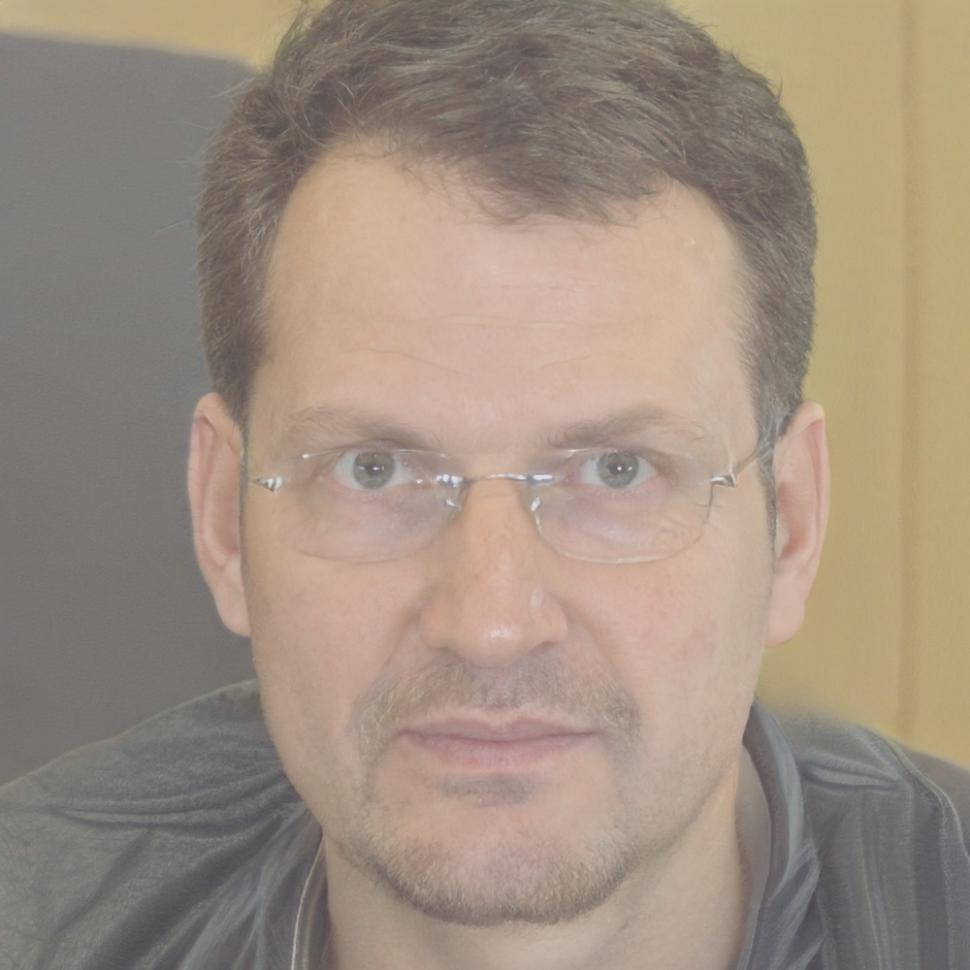
I appreciated the focus on understanding systems rather than just following tutorials. Six months after finishing, I'm still using the problem-solving approaches we developed. My projects feel more coherent now because I understand why things work the way they do.

The program gave me space to explore shader programming and visual effects without pressure to specialize too quickly. I ended up discovering my interest in technical art through experimenting with different systems. That flexibility was valuable for figuring out where my skills actually fit in game development.

What worked for me was the emphasis on building complete projects rather than isolated features. You learn so much from taking something from prototype to polish, dealing with all the messy problems that come up. The feedback during development helped me improve my approach rather than just fixing specific bugs.

I came in wanting to be a programmer and discovered I'm better at design and systems thinking. The program structure let me explore different roles without feeling like I was falling behind. Now I work on game systems and balance, which fits my skills much better than pure coding would have.